Introduction to Tłı̨chǫ Remote Learning
Remote Learning Featuring Tlicho content developed and produced for and by the Tłįchǫ citizens.
Tłı̨chǫ Remote Learning is a place to learn about the Tłı̨chǫ Nation from Tłı̨chǫ perspectives. Developed for and by Tłı̨chǫ Citizens, these learning modules share knowledge about our government, history, language, lands, communities and way of life.
Learning has always been important to Tłı̨chǫ people. Knowledge is carried through our Elders, families, language, stories, time on the land and responsibilities to one another. Today, learning also takes place in classrooms, workplaces and online. Tłı̨chǫ Remote Learning brings these ways of learning together in a format that people can access wherever they are.
The modules support Tłı̨chǫ Citizens, employees, leadership, youth and others who want to strengthen their understanding of the Tłı̨chǫ Nation. They provide a starting point for learning while recognizing that Tłı̨chǫ knowledge lives with our people and on our lands.
Through this platform, Tłı̨chǫ Government can develop and share learning resources that reflect our own priorities and perspectives. It also creates opportunities for Tłı̨chǫ Citizens to build knowledge and skills that support their communities and the work of their government.
"I have asked for a school to be built on my land and that school will be run by my people, and my people will work at that school and our children will learn both ways: our way and the white man's way."
Chief Jimmy Bruneau
History & Purpose
The vision behind Tłı̨chǫ Remote Learning is connected to a long history of Tłı̨chǫ leadership in education and the belief that Tłı̨chǫ people should have a direct role in how our children and future generations learn.
Chief Jimmy Bruneau understood that Tłı̨chǫ children needed the knowledge and skills taught in school, while remaining grounded in Tłı̨chǫ language, culture and way of life. He worked for many years toward a school where Tłı̨chǫ people would have greater authority over the education of their children.
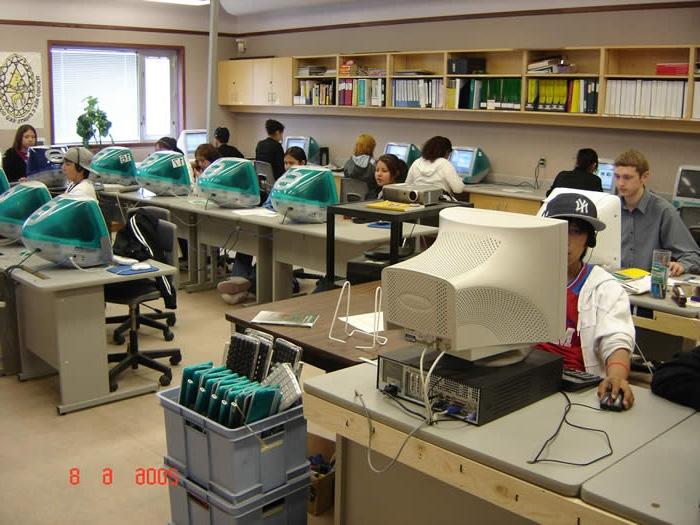
In 1971, that vision took an important step forward with the opening of Chief Jimmy Bruneau School in Edzo, Behchokǫ̀. The school was established through the perseverance of Chief Jimmy Bruneau and the community. The creation of the Rae-Edzo School Society gave Tłı̨chǫ people the right to control their own school, including the hiring of teachers.
At the opening of the school, Chief Jimmy Bruneau spoke about his vision for future generations:
“I have asked for a school to be built on my land and that school will be run by my people, and my people will work at that school and our children will learn both ways: our way and the white man’s way.”
Tłı̨chǫ Elder Elizabeth Mackenzie later explained Chief Jimmy Bruneau's words as a vision for a person to carry knowledge from two ways of life. A person who understands the wider world while also knowing the knowledge of their ancestors would become “Strong Like Two People.”
This principle continues to guide education in the Tłı̨chǫ region today. It recognizes that education can prepare Tłı̨chǫ people for opportunities in a changing world while strengthening our connection to our language, lands, culture, communities and Tłı̨chǫ ways of knowing.
Watch: 1971 Chief Jimmy Bruneau School Opening
Archival footage captures the opening of Chief Jimmy Bruneau School in 1971 and Chief Jimmy Bruneau's vision for Tłı̨chǫ-controlled education.
Carrying the Vision Forward
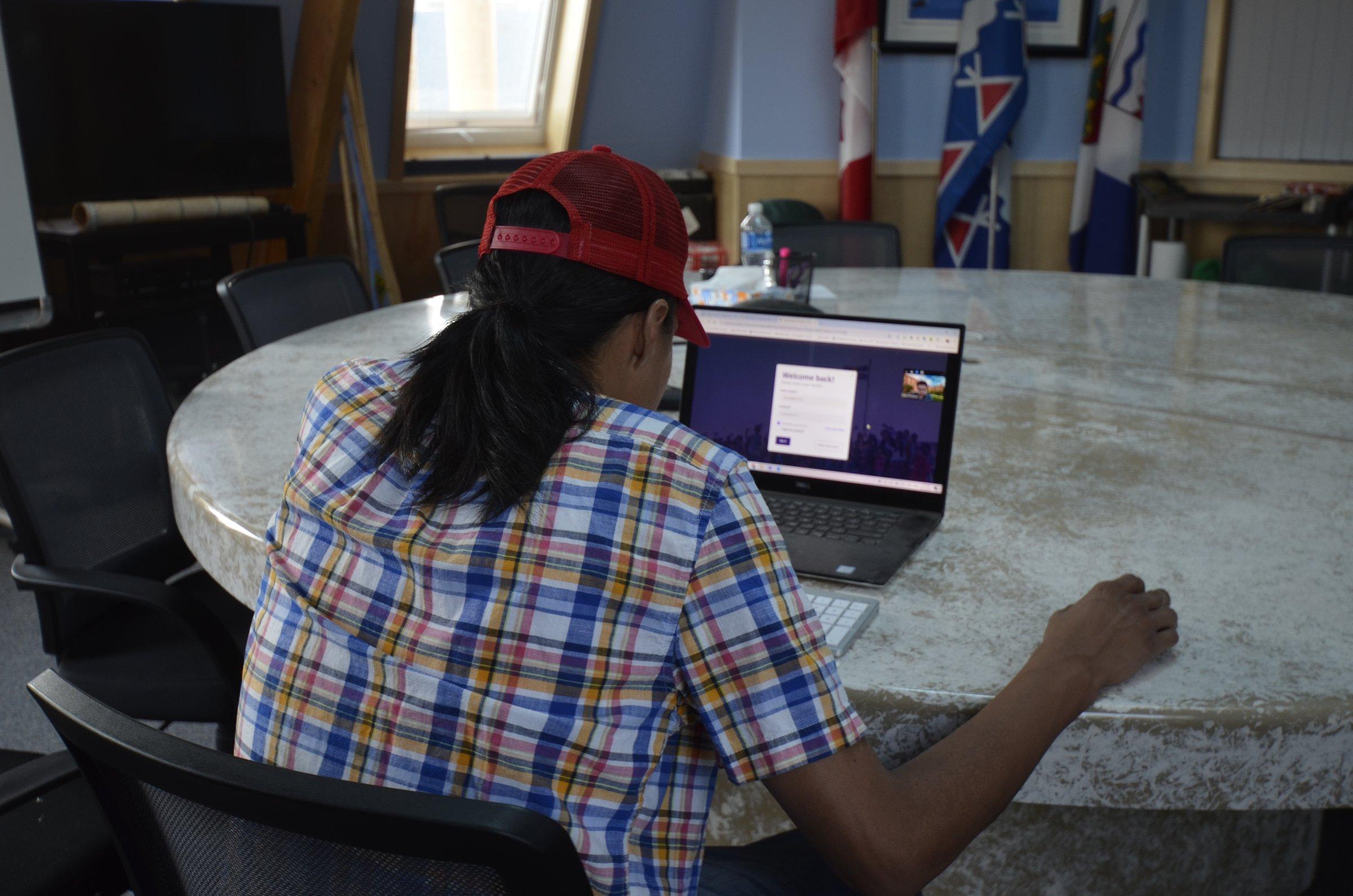
Tłı̨chǫ Remote Learning carries this vision into a new learning environment. Technology gives us another way to develop and share learning created from Tłı̨chǫ perspectives and make it accessible to people wherever they are.
The platform does not replace learning from Elders, Knowledge Holders, families, communities or time spent on the land. It provides another way to share knowledge and support lifelong learning.
Through these modules, Tłı̨chǫ Government can help Tłı̨chǫ Citizens learn more about their Nation, government, history and responsibilities while building the knowledge and skills needed to contribute to their communities.
The tools have changed since 1971, but the principle remains: Tłı̨chǫ people should have a strong voice in our own education and in how knowledge is carried forward to future generations.